

Table of contents
Key Takeaways
- Supplier relationship management teams can mitigate risk by making sure there are structured processes in place for managing things like change requests, document reviews, and supplier incident resolution.
- Multienterprise work management software helps you increase supply chain visibility and bring structure to previously unstructured supplier management business processes.
- Multienterprise work management software running on a digital supply network can make your entire supplier network more agile and resilient.
As a supplier relationship management professional in the pharmaceutical industry, your efforts to ensure that multienterprise business processes run properly help to protect your organization from the potential risks that stem from partnering with a large and complex global supplier network.
One of the best ways to mitigate risk is by making sure there are highly effective processes in place for managing things like change requests, document reviews, supplier incident resolution, and other business practices that require close coordination between multiple companies.
Supplier relationship management teams guard against everything from threats to the financial health and viability of their companies to unexpected environmental, public health, and geopolitical risks that can jeopardize supplier operations. Teams must also conduct due diligence and work closely with suppliers to avoid and mitigate the risk of regulatory compliance failures, supplier incidents and quality issues, change requests, and failure to adhere to GxP guidelines.
Pharmaceutical companies around the globe are especially focused on mitigating risks associated with direct materials and finished goods sourcing, global trade and regulatory compliance, logistics and fulfillment, and a lack of supply chain visibility, according to a recent pharma industry survey from IDC. And your supplier relationship management team is likely at the forefront of these efforts.
Mitigate risk by running better processes
One of the best ways to mitigate risk is by making sure there are highly effective processes in place for managing things like change requests, document reviews, supplier incident resolution, and other business practices that require close coordination between multiple companies.
The problem is that traditional tools and techniques for managing these critical multienterprise business processes—phone calls, spreadsheets, and endless emails—are no longer sufficient for avoiding risks as supplier networks continue to grow larger and more complex.
Today’s supplier relationship management teams require a more effective way to manage supplier networks that enables workflow-driven collaboration with suppliers while providing a single source of truth, data, and accountability.
The answer is multienterprise work management software running on a digital supply network, a new way to work with suppliers that helps you avoid risk by enabling you to run better business processes and build a more agile supply chain.
Take a look at three ways your supplier relationship management team can avoid and mitigate risk by leveraging multienterprise work management software on a digital supply network:
Increase your supply chain visibility
You can’t mitigate supply risks if you can’t see them coming. By providing a network-based shared workspace that keeps you in contact with suppliers, multienterprise work management software significantly increases your supply chain visibility. As a result, you can identify problems in your supplier network early, closely monitor the progress of issue resolution, and take steps to make sure they don’t happen again.
Bring structure to unstructured and difficult-to-track processes
A lack of structured processes for collaborating on issues with upstream partners creates inefficiencies that limit agility and make it harder to resolve problems before they lead to disruptions. These inefficiencies include a lack of supply network visibility, decentralized or scattered sources of information, and an inability to quickly identify the root causes of issues.
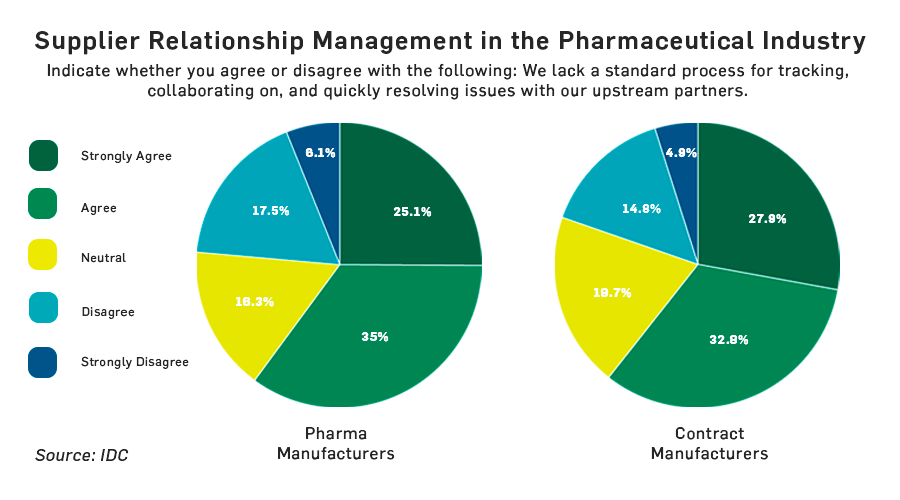
Multienterprise work management brings structure to unstructured processes and helps you manage and monitor your entire ecosystem of suppliers. As a result, you’re better prepared to avoid risk and continuously improve business processes.
Build a more agile and resilient supplier network
Multienterprise work management makes you more agile and responsive to sudden changes and unplanned events that threaten the flow of raw materials and finished goods through your supplier network. This can lead to improved on-time, in-full (OTIF) delivery performance, greater customer satisfaction, and greater resilience in the face of disruptions.
You can also create a virtual supplier risk management hub where cross-functional teams capture risk incidents that happen to your suppliers—and the suppliers of your suppliers—so they can be classified, prioritized, and collaboratively managed to permanently reduce the risk.
Creating an agile supply chain begins with digitalizing processes that are shared across your complex network of supplier partners. Download our new eBook to learn how multienterprise work management can help you start building a more agile supplier network today.